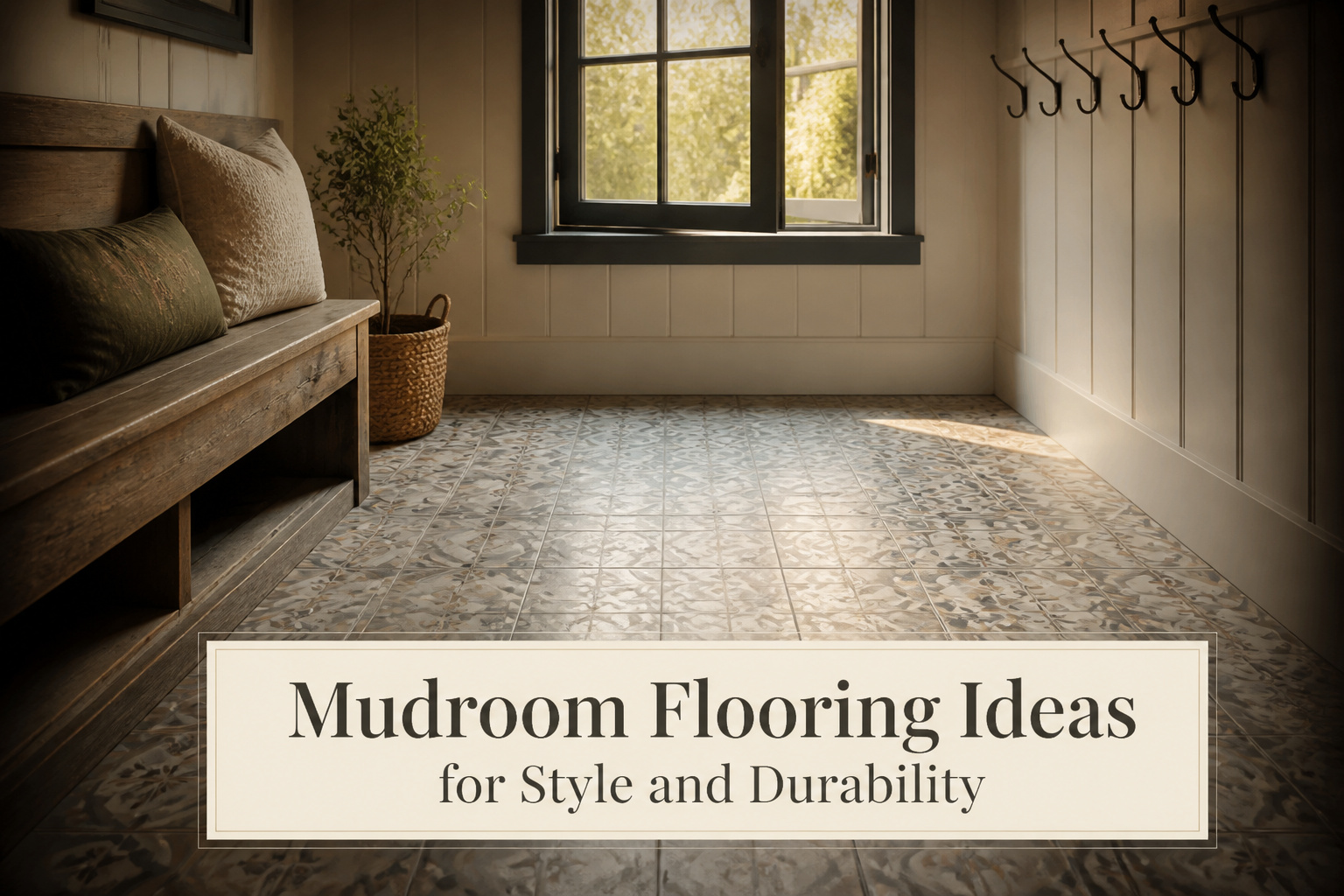
Porcelain tile is the last flooring your mudroom will ever need if you can live with cold, hard underfoot and the cost of hiring out the install. The fired density shrugs off claws, grit, and snowmelt that ruins engineered hardwood in a single season, and the range of finishes means you are not trapped in contractor beige. Skip it for luxury vinyl if you need softness for kids’ boots or a floor you can float over old plywood without touching a wet saw. The telling cost is curing: my firstDIY grout cracked in three months because the thinset needed more time than my weekend allowed.
1. Natural Stone

Natural stone tiles bring a sophistication that few other mudroom flooring ideas can match, though that refinement comes with real demands. Slate, travertine, and limestone each carry distinct textures and color variations, so the floor reads as designed rather than merely functional. The weight and permanence suit homeowners who want their mudroom to feel substantial, connected to the rest of the house rather than an afterthought.
Stone needs sealing to handle moisture and heavy traffic, and that maintenance is ongoing, not a one-time step. A honed or textured finish adds the slip resistance that polished surfaces lack once wet boots hit the floor. Left unsealed, stone absorbs muddy water and stains; cared for, it develops a patina that disguises wear instead of broadcasting it.
The timeline and cost push this out of reach for some. Installation runs past a weekend, and the material investment sits well above what a renter can justify or recover. For owners planning to stay, though, the longevity rewards the upfront work. Porcelain may outlast it with less attention, but stone offers what porcelain cannot: an organic, grounded presence that improves with age.
Recommended Products

Peel and stick to apply

Includes 15 Pieces per Case | 4.995 Square Ft. Per Case | Case Weight 18.75 lb |TILE SIZE: 4 in. W x 12 in. L x 0.31 in. T

𝗧𝗶𝗹𝗲 𝗠𝗮𝘁𝗲𝗿𝗶𝗮𝗹 𝗮𝗻𝗱 𝗙𝗶𝗻𝗶𝘀𝗵: Indigo blue penny round porcelain tile with a glossy finish that reflects light and brightens the room. Each piece is dense, high-fired porcelain that absorbs very little water, mounted on a mesh sheet so the pattern installs in aligned sections. The surface holds up to foot traffic, moisture, and cleaning without fading or wearing through.
2. Porcelain Tile

Porcelain tile is one of the best flooring options for mudrooms because it combines style with near-indestructible durability. The material is dense enough to shrug off heavy foot traffic, pet claws, and the grit that gets tracked in from outside, and its non-porous surface means water and mud sit on top rather than soaking in. That density comes from firing at higher temperatures than standard ceramic, which is why porcelain performs reliably even in climates with frequent rain or snow.
Where this material really earns its keep is in the range of looks it can pull off. Large-format tiles give a clean, modern feel, while subway styles or hexagon shapes add visual interest without sacrificing the practical benefits. Textured finishes are the move for slip resistance, especially when the floor is wet from boots or dripping coats. Grout choice matters too: contrasting grout turns the layout into a feature, while tonal grout keeps things subtle and makes the seams less visible as they age.
Maintenance is minimal once the grout is properly sealed, which is critical to prevent moisture working its way through the joints. The downside is the feel underfoot: tile runs cold and hard, which matters if you spend time in the space tying shoes or sorting gear. Area rugs or radiant heating help, but they add cost and complexity. And the installation is not forgiving. Cutting tile around corners, drains, or built-ins takes skill and the right tools, so this is not the project for a first-timer who is nervous about wet saws and leveling. If softness or DIY confidence is the priority, other materials on this list will serve you better.
Recommended Products

SlipDoctors clear anti-slip spray is an epoxy aerosol that provides a durable, textured finish to prevent dangerous slip-and-fall accidents in wet and dry conditions

Tile Packing Quantity: Case of 5 sheets beige pebble ceramic tiles covering 5 square feet. Each pebble stone tile measures about 12 x 12 inches, 6 mm thickness and weights about 2 lbs.

30 Tiles = 7.5 Sq Ft: Thirty 6x6-inch tiles cover 7.5 square feet (4 tiles per sq ft) for easy project planning.
3. Cement Tile
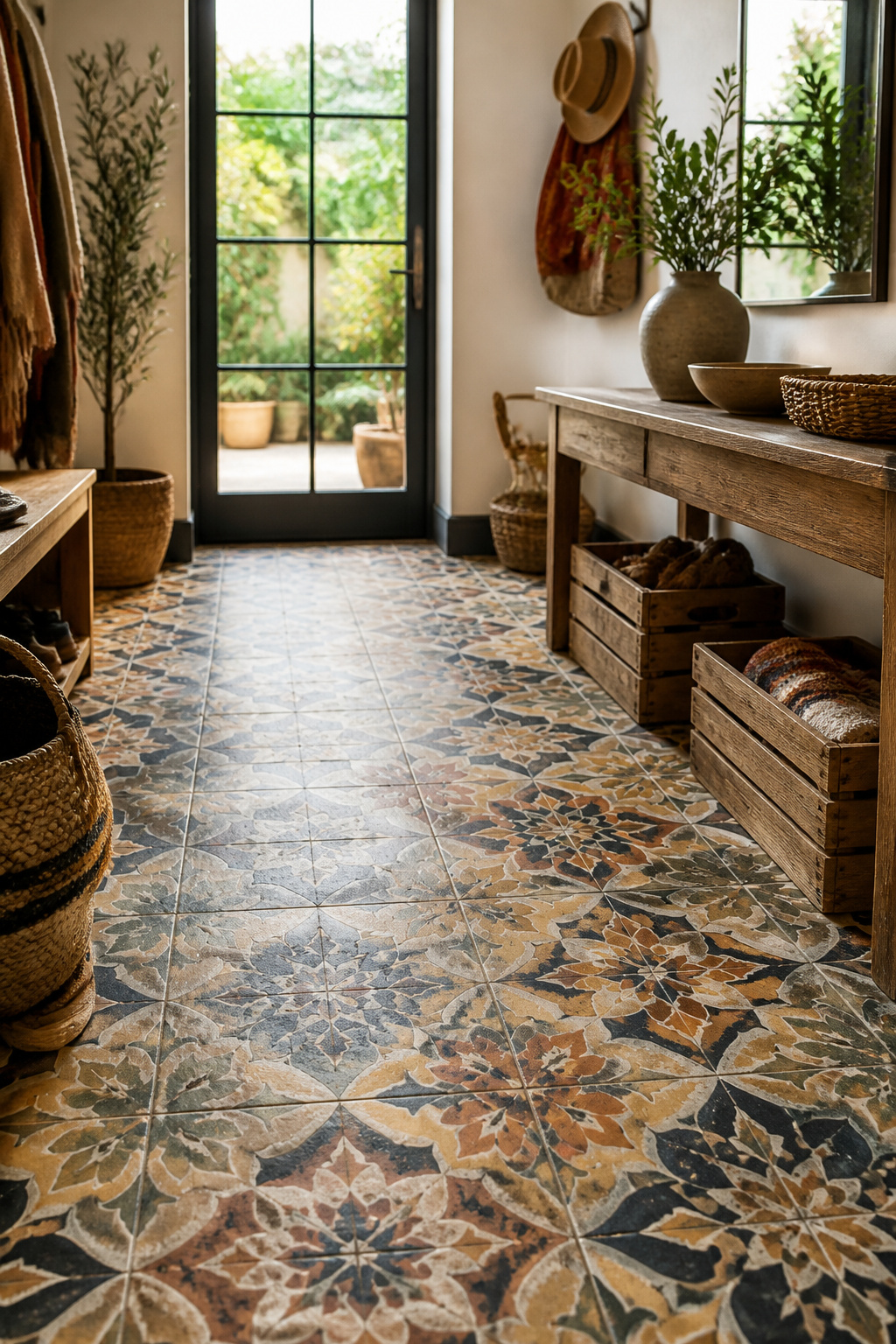
Cement tiles carry a handcrafted look that factory-made materials rarely match. Moroccan-inspired patterns, geometric layouts, and saturated colors turn a basic mudroom into the kind of statement piece guests remember after they have taken off their boots. The patterns are pressed into the surface rather than glazed over it, so the design has depth that survives years of foot traffic.
The sealant is what makes or breaks the installation. Without it, cement tile absorbs water like unglazed terracotta, so moisture seeps in, stains set, and the pattern dulls. Re-sealing every year or two is non-negotiable in a space that sees rain, snow melt, and road grit.
Slip resistance depends on the finish. Many cement tiles come with a slight texture from the manufacturing process, but polished versions exist and should be avoided in any entry that gets wet. The surface can also etch; a household that drags in gravel or sand regularly will wear the pattern faster in the traffic lanes.
Who should skip this option: anyone who wants to sweep and forget it, or families whose mudroom functions as a workshop or gear room where abrasive grit is constant. The maintenance is moderate, not zero, and the visual reward comes only to those who keep up with it.
Recommended Products

Transform Any Space with Natural Slate Deck Tiles - Upgrade your home with 3rd Street Inn Slate Stone Interlocking Deck Tiles, designed to create a clean, modern surface for both indoor and outdoor spaces. Made from 100% natural slate stone, these tiles help protect against moisture, sun exposure, and everyday wear, making them a reliable flooring solution for any environment.

Includes 15 Pieces per Case | 4.95 Square Ft. Per Case | Case Weight 22.16 lb |TILE SIZE: 4 in. W x 12 in. L x 0.31 in. T

Easy installation: Self-adhesive flooring can be installed quickly and easily, without the need for special tools or messy adhesives
4. Terracotta Tile

Terracotta tile carries a warmth that factory-made materials rarely match, those deep reds and soft oranges pulling a mudroom out of utilitarian territory and into something that feels lived-in from day one. The natural texture gives decent grip underfoot, though that slip resistance only holds if you stay on top of sealing. Reseal it properly and terracotta resists moisture and stains; skip that step and the same porousness that gives it character becomes a liability. I like it best for households that treat maintenance as rhythm rather than chore—someone who already calendars the furnace filter and the grout scrub. Arrangement matters more than with most tiles. Classic squares read traditional, herringbone adds movement, hexagons feel current without trying hard. The Belgian reproduction terracotta hexes and Foundry Flats brick lines show how far the material has evolved beyond the orange-tinged cliché. But households in very wet climates, or anyone who knows they will not reseal every couple of years, should look elsewhere. The beauty is conditional, and the conditions are non-negotiable.
Recommended Products

Premium Grade Nero Marquina Marble Hexagon Mosaic Tile. Black Marquina Marble Honed 4 inch Hex Mosaic Wall and Floor Tiles are perfect for any residential / commercial projects. The 4 inch Nero Marquina Venato Marble Big Hexagonal Mosaic Tile can be used for kitchen backsplash, bathroom flooring, shower surround, dining room, entryway, corridor, kitchen backsplash, spa, etc.

Natural Mini Pebble Design: Features small, rounded, irregular pebbles in a unique pink and gray blend for an organic, mosaic-style look.

Premium Grade Leaf Shape White Carrara Marble Mosaic Tile. Italian Carrara Venato Bianco Carrera White Honed Small Leaf Shape Mosaic Wall and Floor Tiles are perfect for any residential / commercial projects. The Carrara White Marble Leaf Shape Mosaic Tile can be used for kitchen backsplash, bathroom flooring, shower surround, dining room, entryway, corridor, kitchen backsplash, spa, etc.
5. Luxury Vinyl Tile
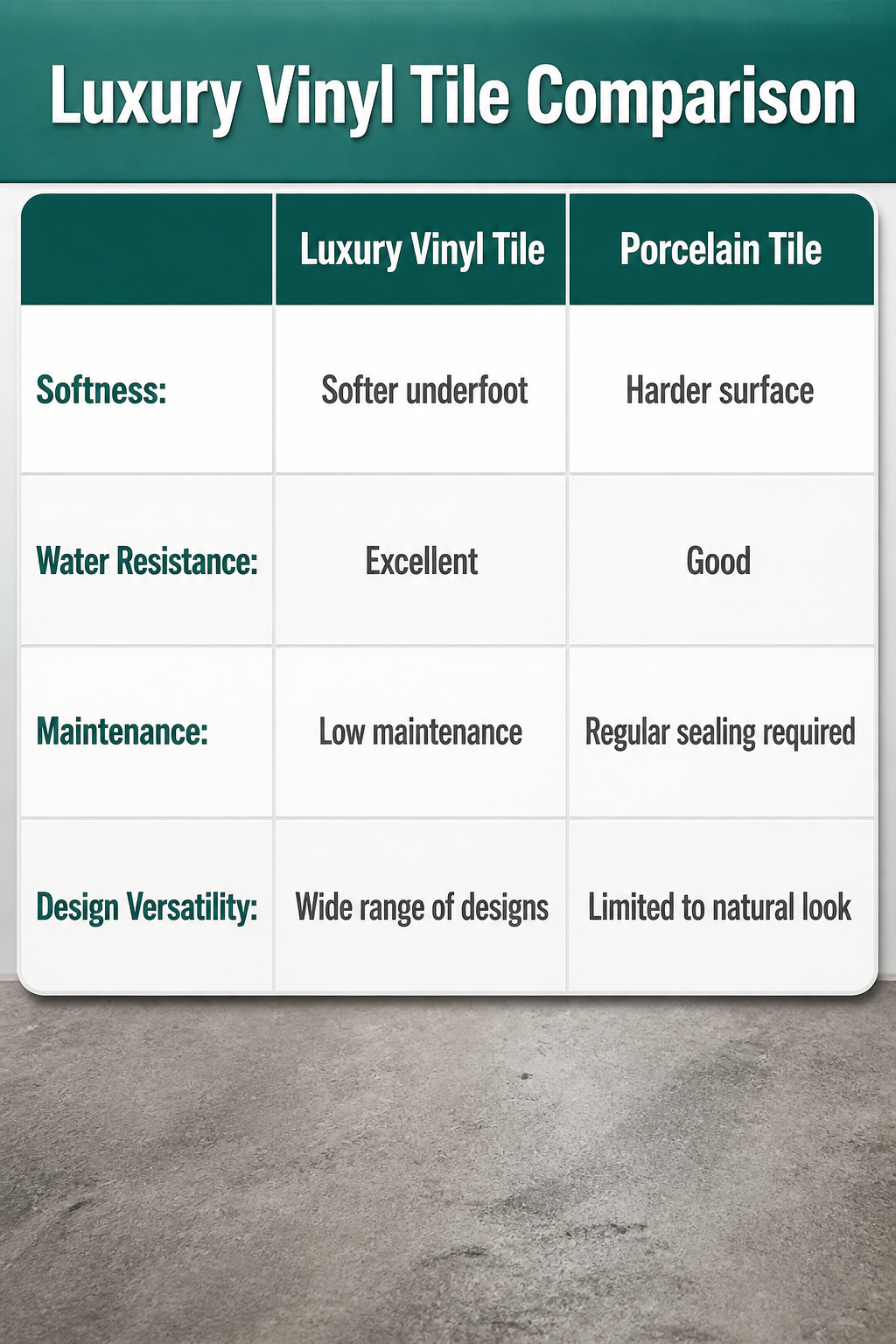
Luxury vinyl tile works well in busy mudrooms because it’s softer underfoot than stone or porcelain but still resists water and dirt. That softness matters more than I expected when you’re standing there wrestling boots off a kid or a dog. Dropped bags and pet paws don’t leave much of a mark, which keeps the floor looking presentable without babying it.
The design flexibility is genuinely broad. LVT comes in patterns that mimic stone, marble, or hardwood, so you can run something cohesive straight into living spaces without the moisture headaches real wood brings. It’s low-maintenance, handles heavy foot traffic, and layers easily with washable rugs when you want warmth.
Skip this if you care about authentic material feel or maximum resale value. Buyers who want real stone or solid hardwood won’t be fooled, and LVT doesn’t carry the lifespan of porcelain tile. For a weekend install on a few hundred dollars, though, the comfort and water resistance are hard to beat.
Recommended Products

EASY TO INSTALL: Can be installed Above grade, On grade, or Below grade. Use the loose lay method for a more flexible installation or glue down to practically any existing surface, including wood, tile, stone, concrete, and vinyl.

Timeless Charm - Stylish wood finishes offer an authentic and natural look that brings the beauty and warmth of nature into your flooring décor.

Authentic Wood Look: True classic Color. Blonde Oak blends sun-kissed blonde tones with elegant character. Featuring the rich texture and natural hues of oak, it seamlessly complements both traditional and modern interiors
6. Brick Pavers

Brick feels right at home in a mudroom because it has always been a working material. Sealed properly, it takes on dirt and moisture without looking worse for wear, and the natural color variation means muddy shoes do not immediately show. I like it laid in herringbone or basketweave for subtle patterning that keeps the floor grounded.
The textured surface gives you slip resistance when floors are wet, which matters in a space that sees rain, snow, and wet footwear. A good sealant is what makes the difference between brick you can sweep clean and brick that drinks in every stain. Without it, you are fighting a losing battle against moisture and salt.
Brick is not for anyone chasing a modern sleek look or needing uniform flat surfaces for rolling carts and utility bins. The slight unevenness is part of its character, not a flaw, but it will catch a cart wheel every time. It pairs best with plaster walls or painted woodwork, where the texture keeps the room from feeling too polished for the job it does.
Recommended Products

Includes 12 Pieces per Case | 5.16 Square Ft. Per Case | Case Weight 34.8 lb |TILE SIZE: 8 in. W x 8 in. L x 0.55 in. T

Color Variation: Actual product color may vary slightly from the images shown due to lighting and screen settings.

Vintage Gray Floral Design: Featuring a timeless floral motif in soft gray and white, these peel and stick vinyl tiles bring elegant contrast to neutral interiors—ideal for classic, transitional, or farmhouse-inspired home upgrades.
7. Engineered Hardwood

Engineered hardwood brings warmth into a mudroom that tile or vinyl rarely matches, and the layered construction makes it more dimensionally stable than solid planks against humidity swings. That stability helps, but it does not make the material waterproof. Standing water from wet boots or snowmelt will still damage the floor over time, so entry mats, good ventilation, and immediate cleanup are non-negotiable.
Wide planks with a matte finish disguise scuffs better than glossy surfaces, and darker stains hide tracked-in dirt. Even so, the maintenance load runs higher than most mudroom owners want. Anyone with kids or dogs hauling in water, a direct outdoor exposure with no covered entry, or a preference for low-maintenance flooring should skip this option entirely. Porcelain tile or luxury vinyl that mimics oak or walnut delivers the same visual warmth without the vigilance.
Recommended Products

PRO-GRADE SLIP PROTECTION: Innovative Tub Solutions’ clear, finely textured anti-slip coating provides safe traction while remaining gentle on skin, paws, and feet. Ideal for families with toddlers, older adults, or post-surgery patients, it’s a sleek alternative to bulky bathmats, strips, or sticky decals.

ANTI-SLIP TUB & SHOWER TREATMENT | SlipDoctors Bathtub & Shower Kit is a treatment, not a coating. The look of your tub or shower will not change after the application! SlipDoctors Tub & Shower Kit includes everything you need for the application: an applicator, glove and two 1 oz bottles of treatment. Each bottle covers one standard size bathtub or shower.
8. Laminate Flooring

Laminate flooring tempts anyone who wants the look of wood without the wood price. The planks click together fast, often floating over the existing subfloor with no adhesive mess, which makes it a weekend project a renter can actually reverse at move-out. A dry foyer off a carpeted living room, where guests might track in a leaf or two, suits it fine.
Water turns the core into a sponge. The fiberboard center swells at the edges once moisture seeps through seams or scratches, and that damage does not dry back flat. Any household with actual mud, melting snow, or rain dripping off dogs and boots should cross this off the list entirely. Even a mat helps less than you’d hope if the season lasts four months.
Maintenance stays easy where it stays dry: sweep, damp-mop with near-dry cloth, move on. The photographic wood grain looks convincing from a few feet back, though plank repetition betrays it up close. For a dry-entry mudroom with a tight budget and no puddle risk, laminate delivers the aesthetic. For the real thing, save it for another room.
Recommended Products

Genuine solid Teak wood (Tectona Grandis) in oil finish
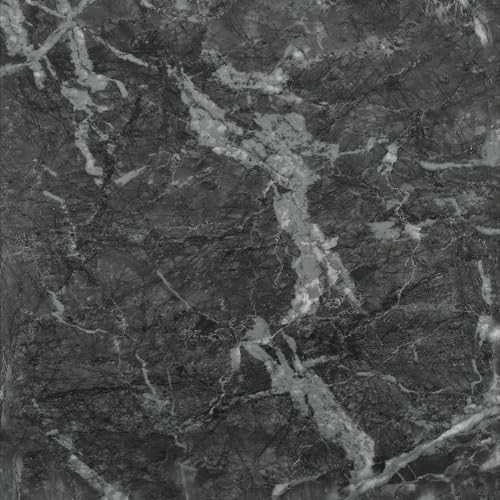
𝐃𝐞𝐭𝐚𝐢𝐥𝐬: Black grey peel and stick floor tile, 12x12 inch, 1.5 mm thick, 6 tiles per box, covers 6 sq.ft. Made of thick vinyl, durable and thick enough to cover high traffic area, scratch resistant, pet friendly. Low-gloss textured surface for effective slip resistance

𝐅𝐄𝐀𝐓𝐔𝐑𝐄𝐒: Peel and stick floor tile, self adhesive, removable. Not sticky residue left, not damage the floor.
9. Concrete

Concrete might sound harsh, but in a mudroom, it is incredibly practical. Properly sealed, it resists moisture, mud, and heavy traffic without fuss; shoes, bags, and bikes move across it without leaving much behind. The surface can be polished smooth, stained for warmth, or tinted in different colors, and in a modern house it ties the garage, entryway, and living areas together in one continuous surface. A textured finish adds the slip resistance a wet mudroom needs, while the maintenance stays near zero.
The warmth and comfort come from what you layer on top. A rug or a touch of wood nearby keeps it from feeling cold, though nothing changes the fact that concrete is hard underfoot. Skip this option if you want warmth built into the floor itself, or if you need a quick install over existing flooring; concrete demands time, proper sealing, and usually a subfloor built for it. For households that prioritize durability and water resistance above all else, the tradeoff is usually worth it.
Recommended Products

Premium Calacatta Gold Marble: Features a bright white to cream base with bold gold, brown, beige, or gray veining for a luxurious, natural look.
Natural Mini Pebble Design: Features small, rounded, irregular pebbles in a unique pink and gray blend for an organic, mosaic-style look.

Premium Grade Nero Marquina Black Marble Square Mosaic Tile. Black Marquina Marble Honed 1 x 1 Mosaic Wall and Floor Tiles are perfect for any residential / commercial projects. The 1x1 Nero Marquina Venato Marble Square Mosaic tils can be used for kitchen backsplash, bathroom flooring, shower surround, dining room, entryway, corridor, lobby, spa, etc.
10. Mosaic Tile

Small tiles create intricate detail that gives a mudroom real personality. Mosaic tile works as a full floor or as an accent border against simpler field tile, and the sheer variety of patterns means you can lean classic with marble or go loud with geometry and saturated color. What convinced me, reading through the sources, is how the grout lines themselves become a grip feature: more grout means more traction under wet boots, which matters in a room that sees snow, ice, and mud on repeat.
Matte finish is the move here. Polished mosaic turns slick fast, and this is not the place for that risk. The sources point to textured or matte surfaces specifically for wet-entry safety, and mosaic tile in a matte glaze delivers.
The catch is maintenance. Grout lines collect dirt, and a mosaic floor has a lot of them. Sealed cement, terracotta, or stone mosaics hold up to water and sand, but the grout itself needs regular attention or it darkens and degrades. Wider joints help with slip resistance, yet they also create more surface area to clean.
Skip this if you want to hose the floor down and walk away. The same detail that makes mosaic interesting makes it work. A seamless-clean household should look at larger-format options instead.
Recommended Products

40 Mil Wear Layer - Twice the commercial standard thickness

Stylish - Authentic wood looking and grain texture, adding timeless feature for your home
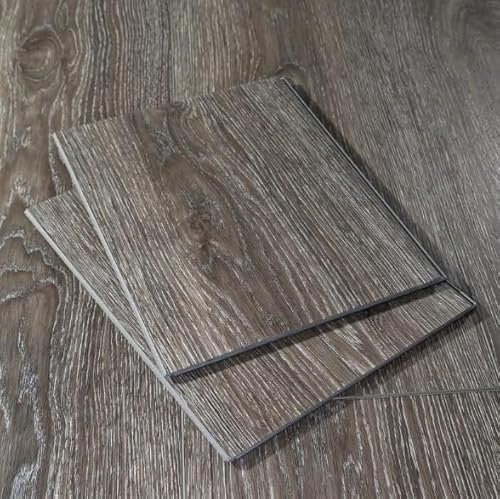
Premium Design-Led Aesthetic: Authentic wood visuals in extra-wide 9” planks and 72” lengths deliver a high-end, modern finish that elevates any space. Enhanced-Beveled edges for a clean, seamless look.
What the Best Mudroom Tile Needs

Texture matters more than looks when you’re standing in wet boots. The best mudroom tile carries enough surface variation that your foot catches instead of skating, and that usually means natural stone, terrazzo, terracotta, or cement. Porcelain and ceramic can work too, though you will want to check the PEI rating if you go that route, just to confirm it is rated for heavy foot traffic.
The real test is how the tile handles water and grip together. A highly polished finish, even on a water-resistant material, turns slick the second snow melt hits it. A matte or textured finish gives you the slip resistance you need without trapping dirt in deep crevices. Porosity sits right between those two concerns: stone, terracotta, and cement all need a waterproofing penetrating sealer to block moisture from soaking in, but once sealed they shrug off dirty shoes, sand, and standing water about as well as anything. The sealer is the step you cannot skip, especially with materials that want to breathe.
If you are torn between the look of raw concrete and the upkeep, cement-look porcelain delivers the aesthetic without the maintenance, but the texture rarely matches the real thing under a wet sole. For my money, the slight grit of honed slate or a hand-pressed terracotta is worth the resealing every couple of years. You notice the grip most on the days you do not fall.
How I Match Flooring to My Household
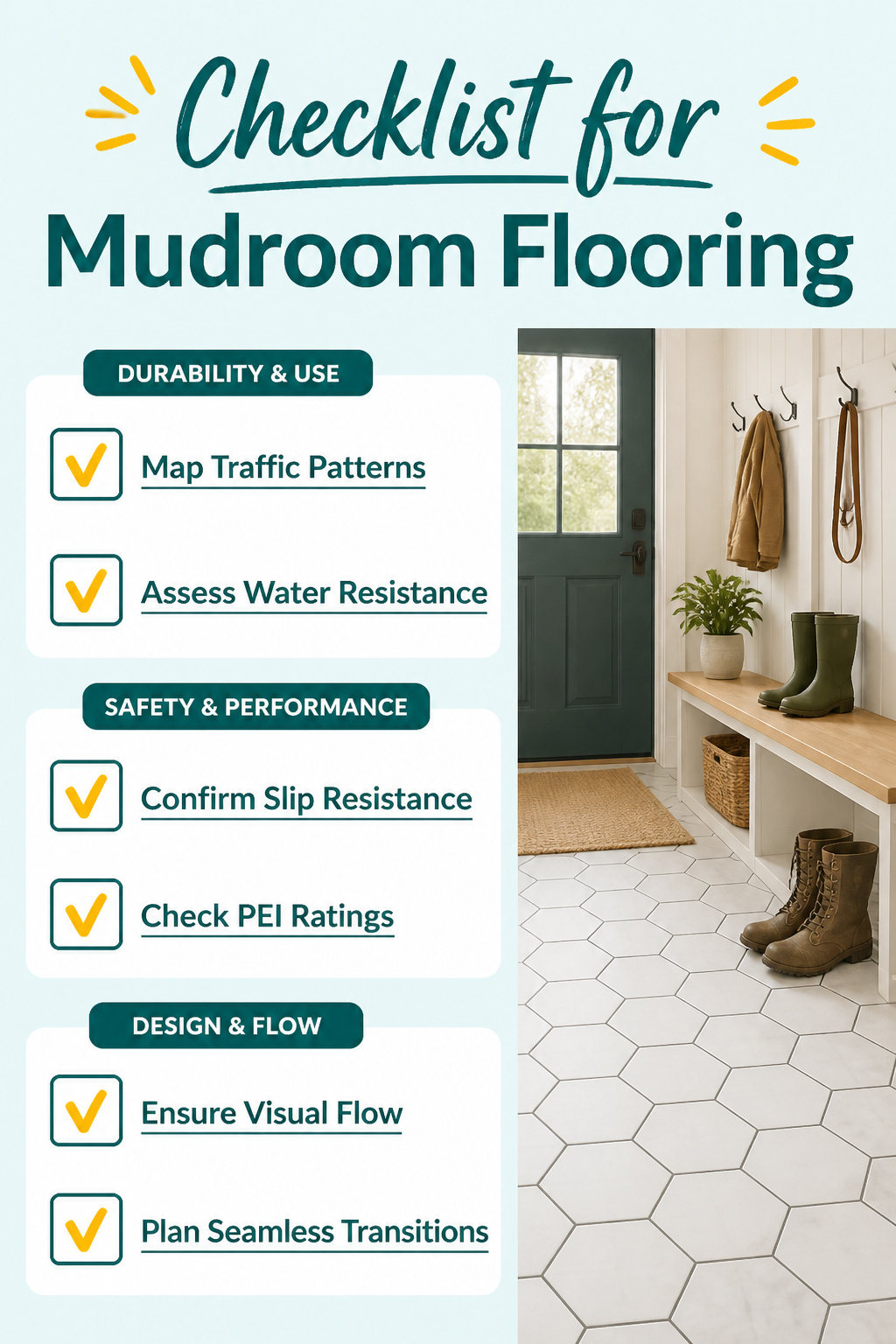
The mudroom at my house sits between the garage and the kitchen, which means everything that comes off the truck or out of the yard crosses it twice a day minimum. That traffic pattern is the first thing I map before I even look at samples. A household with one adult in sneakers sees something entirely different from a family with kids in cleats, a dog with muddy paws, and boots that hold packed snow until they hit the warm tile.
Water resistance is where I start judging materials, not where I finish. Rain and meltwater are constants, but the real test is what else rides in on that moisture. Salt from winter roads chews at finishes. Sand from the garden abrades like fine gritpaper. Pet accidents matter too; flooring that traps odor turns a hardworking room into one you avoid.
Texture for slip resistance is non-negotiable once anyone under sixty or over six uses the space regularly. A glossy surface looks clean in the showroom and reads as an ice rink the first wet November morning. Natural stone, terrazzo, terracotta, and cement tiles all offer grip in their raw state, though stone and terracotta need a waterproofing penetrating sealer to handle the moisture without staining.
For porcelain or ceramic, I check the PEI rating the way I’d check mileage on a used car. Anything below the heavy-traffic threshold belongs in a powder room, not here. Cement hex in a honeycomb layout or an 8×8 zenith pattern in white with metal trim can handle the abuse and still transition cleanly into kitchen or hallway flooring. The visual flow matters because this space never stands alone; it opens directly into rooms where you actually want to linger.
Maintenance Reality by Material

The maintenance gap between what a material promises and what it actually demands is where most mudroom flooring plans fall apart. Tile and luxury vinyl live up to the low-effort reputation: a quick sweep for grit, a damp mop when salt tracks in, and the job is done. Natural stone, for all its looks, asks for more careful cleaning to avoid surface damage and needs sealing during installation to prevent water absorption and staining. Porcelain tile typically lasts the longest with this minimal routine, while natural stone’s longevity depends entirely on how faithfully you keep up.
| Material | Daily Sweep | Weekly Mop | Annual Sealing | Spot Repair |
|---|---|---|---|---|
| Porcelain tile | Yes | Yes | n/a | Easy: single tile |
| Luxury vinyl | Yes | Yes | n/a | Plank replacement |
| Ceramic tile | Yes | Yes | n/a | Easy: single tile |
| Natural stone | Yes | Careful cleaning | Required | Difficult |
The real difference shows up on busy weeks when you skip a day. Porcelain and vinyl forgive you. Stone starts absorbing whatever you tracked in, and the resealing schedule is not a suggestion; it is what keeps the floor from staining permanently. If your household runs on weekend-project energy, not ongoing maintenance discipline, that gap between "water-resistant" and "needs resealing" is the decision point.
Rugs That Actually Survive a Mudroom
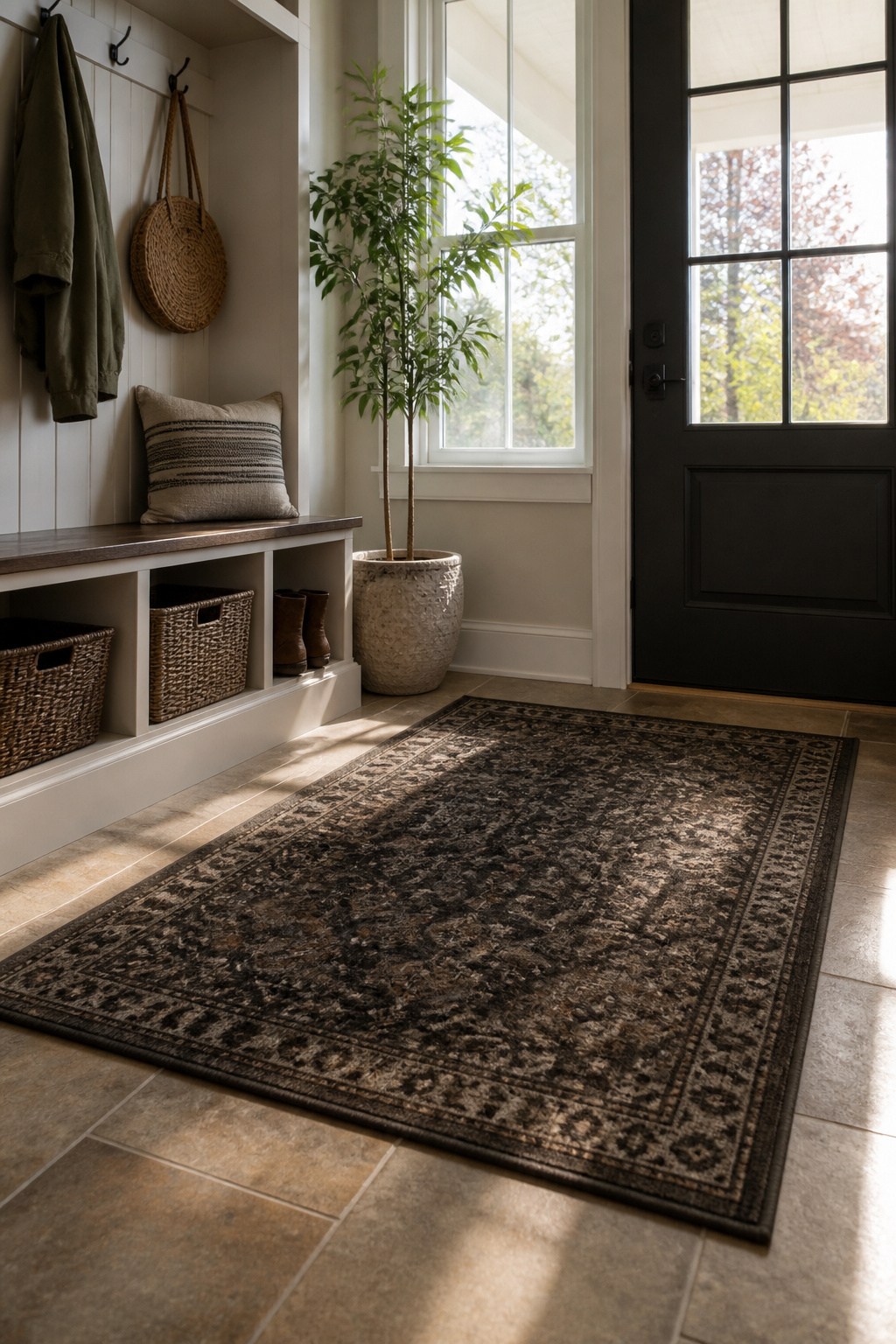
Performance rugs are the backup plan that lets you live with flooring you’d otherwise rule out. A washable indoor-outdoor rug catches what boots and paws track in before it ever reaches the surface below, which means hardwood or natural stone becomes thinkable in a mudroom where you’d normally default to tile.
Perennials and similar brands have refined this category into something that actually belongs inside: fibers resist stains, moisture beads rather than soaking through, and the color holds under heavy traffic. The real test is cleanup. These rugs hose off or take a scrub without fraying, so the maintenance burden drops to something a weekend project can absorb.
Sizing runs narrower than most people guess. The rug needs width enough to catch shoes coming through the door, but stop short of where it could catch a toe or bunch under a door swing. Darker tones and subtle patterns hide the dirt that shows between cleanings; the exact shade should match your local soil. Reddish dirt in Arizona calls for different camouflage than pale dust on a Midwest driveway.
Layering one over luxury vinyl tile gives you the practical floor with the warmth and texture most vinyl lacks on its own. That pairing, more than either piece alone, is what makes a mudroom feel finished without making it fragile.
Installation: What I Do Myself and What I Hire
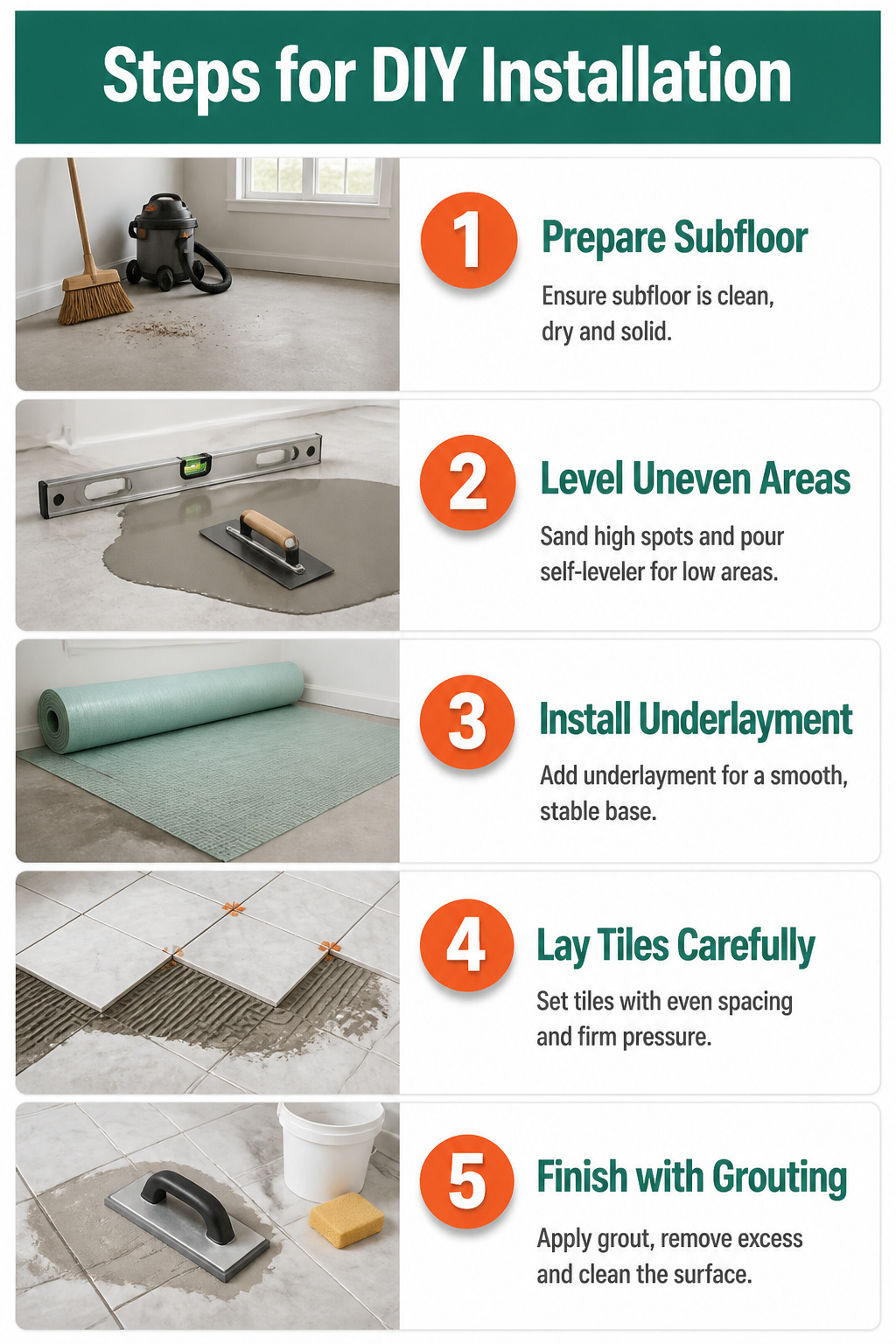
Tile and vinyl both reward patience during install, and punish you equally when you skip steps. The first mudroom tile I laid looked great for three months, then grout lines started cracking at the door because I rushed the thinset cure time. That floor came back out the following spring. A weekend timeline only works if the subfloor is already flat and clean; anything more than a sixteenth-inch dip across ten feet means you are tiling on borrowed time.
Luxury vinyl plank is the material most people can genuinely self-install, provided the concrete or plywood underneath is level enough for the locking edges to seat. Floating vinyl over an uneven subfloor telegraphs every hump through to the surface within weeks. I have learned to rent a floor sander for high spots and pour self-leveler for low ones, which adds a day and doubles the material cost but saves the redo.
Porcelain and ceramic need professional help when the subfloor requires cement board or when the room has multiple door thresholds to match. The labor quote stings, but grout that stays put and tile that does not sound hollow when you knock on it is worth the trade.
Frequently Asked Questions
What type of tile is best for a mudroom?
The best mudroom tile carries enough surface texture to stop wet boots from slipping, which usually means natural stone, terrazzo, terracotta, or cement. These materials grip underfoot when matte or honed, and a waterproofing penetrating sealer keeps them from absorbing muddy water. If you prefer porcelain or ceramic, check the PEI rating to confirm it is rated for heavy foot traffic.
How do I choose the best flooring for a mudroom?
Start by mapping how your household actually uses the space: kids in cleats, dogs with muddy paws, and boots packed with snow all impose different demands than sneakers on a dry day. Water resistance, slip resistance, and ease of cleaning matter more than looks alone, and the floor should transition visually into adjacent rooms like the kitchen or hallway. Comfort underfoot and repairability round out the decision, especially if you spend time there tying shoes or sorting gear.
What is the best flooring for high-traffic areas?
Porcelain tile excels in busy mudrooms because its density resists scratches, dents, and water with minimal upkeep once the grout is sealed. It handles heavy foot traffic from family, guests, and pets without showing wear, and it comes in formats from large slabs to hexagons that suit almost any style. Luxury vinyl tile and ceramic tile also perform well, though ceramic is slightly more prone to cracking and vinyl does not match porcelain’s lifespan.