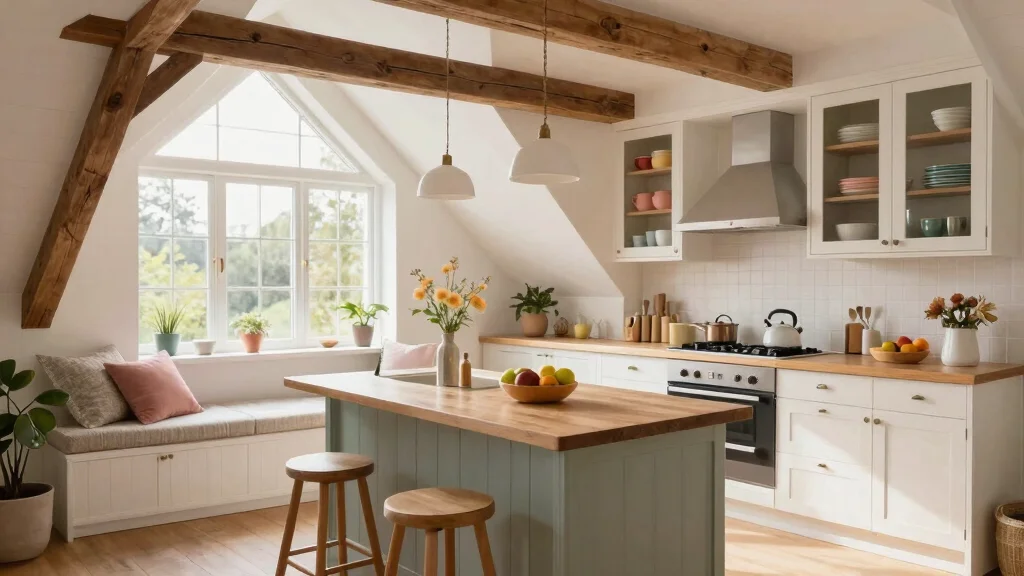
Creating a kitchen in an attic is a fantastic way to maximize space while adding character to your home. If you’re like me, the thought of turning a cozy, slanted ceiling area into a unique cook space has you dreaming of kitchen designs that are both functional and beautiful. Whether you want to whip up a quick breakfast or host dinner parties, an attic kitchen can offer you that special touch of charm. It’s a wonderful project that combines creativity with practicality, and I’m excited to share some inspiring attic kitchen ideas that will spark your imagination.
This post is for those of you who cherish the idea of a homey kitchen with a twist. If you love the charm of unique spaces, enjoy cooking, or simply want to make the most out of your home’s layout, you’re in the right place. I know how challenging it can be to design a kitchen in a smaller area, especially with slanted ceilings, but I’m here to help. You’ll find a range of ideas that cater to different styles, whether you lean toward a clean, modern aesthetic or a rustic vibe.
In this guide, you’ll discover 12 creative ideas for transforming your attic into a stylish kitchen. Each concept is packed with practical tips and inspiration to help you envision the potential of your space. From bright and airy designs featuring skylights to cozy vintage vibes, these ideas will help you create a cook space that reflects your personality and makes cooking a pleasure.
Key Takeaways
– Discover various attic kitchen designs that celebrate the uniqueness of slanted ceilings while maximizing functionality.
– Explore slanted ceiling decor ideas that enhance your kitchen’s aesthetic and create an inviting atmosphere.
– Get inspired by unique kitchen ideas that incorporate different styles, from rustic to modern farmhouse.
– Understand how to make the most of a small space kitchen, ensuring that every inch is utilized efficiently.
– Learn practical tips for creative attic renovations that will transform your cooking area into a delightful focal point of your home.
Recommended Products

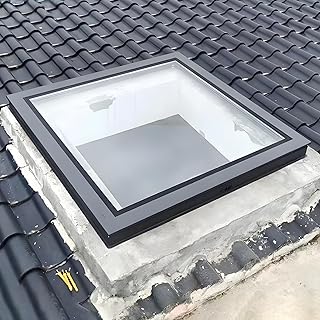
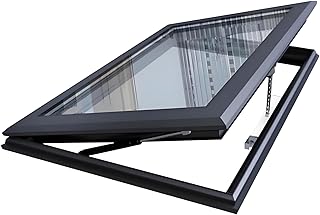
Enhance Natural Light and Well-being: Our skylight window is designed to flood your space with natural sunlight, improving mood and health. for inclined roof skylights and horizontal roof skylights, it transforms dark areas into vibr-ant living spaces.
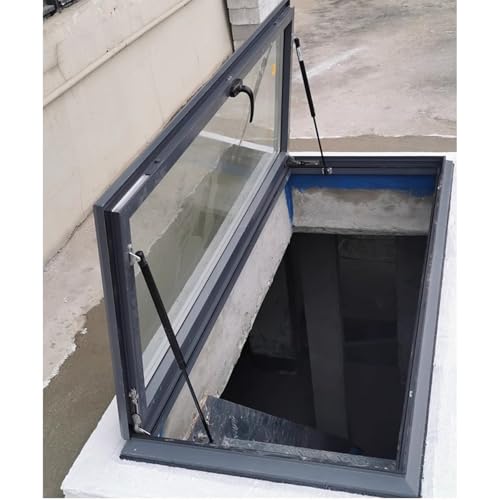
Aluminum Alloy : Aluminum alloy bezel, edge with seamless welding technology, no leakage phenomenon. Aluminum borders are not afraid of sun and hail, long service life
1. Clean White Aesthetic
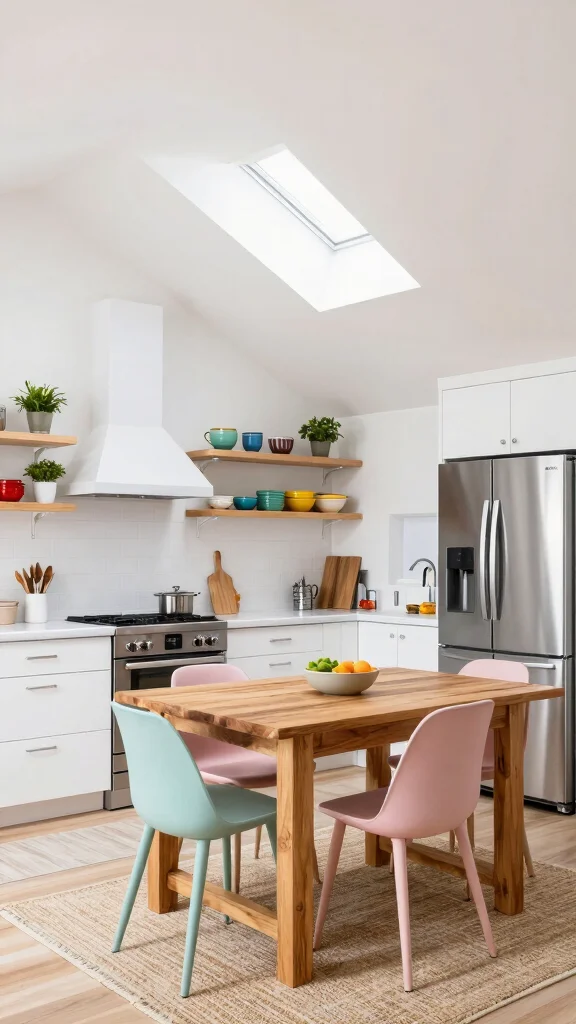
Embracing a clean white aesthetic in your attic kitchen creates an airy and spacious atmosphere, especially with slanted ceilings. The bright white walls and cabinetry reflect light beautifully, enhancing the natural brightness that skylights provide. Pair sleek white cabinetry with white countertops for a seamless, elegant look that feels both modern and timeless.
To make the most of this palette, consider adding subtle textures for depth and warmth. You can find budget-friendly options like shiplap for a backsplash or use paint to refresh existing cabinets. This approach aligns with current trends favoring minimalism and simplicity while fostering a serene cooking environment.
Consider these elements to enhance your white aesthetic:
– Use subtle textures like a shiplap backsplash for depth.
– Install open shelving to showcase colorful dishware.
– Integrate stainless steel appliances for a modern touch.
This design not only looks chic but also creates a fresh and inviting atmosphere for cooking.
Recommended Products

Ample Quantity: the product package includes twelve black plastic pallets, each measuring 11.8 x 23.6 x 1.18 inches; This quantity offers ample opportunities for various applications in different storage scenarios; With dimensions that fit a diverse range of settings, these pallets can seamlessly integrate into most storage and organization systems; Their adaptability makes them convenient choices for optimizing your storage space across many environments

Strong Mechanical Performance Designed with a sturdy snap mechanism that activates quickly when triggered. A dependable option for handling common rodent activity in homes, garages, storage spaces, and more.

Ample Quantity: the product package includes 18 black plastic pallets, each measuring 11.8 x 23.6 x 1.18 inches; This quantity offers ample opportunities for various applications in different storage scenarios; With dimensions that fit a diverse range of settings, these pallets can seamlessly integrate into most storage and organization systems; Their adaptability makes them convenient choices for optimizing your storage space across many environments
📹 Related Video: 3 Super Easy Ways To Clean White Kitchen Cabinets – And 3 To Avoid!
2. Rustic Charm
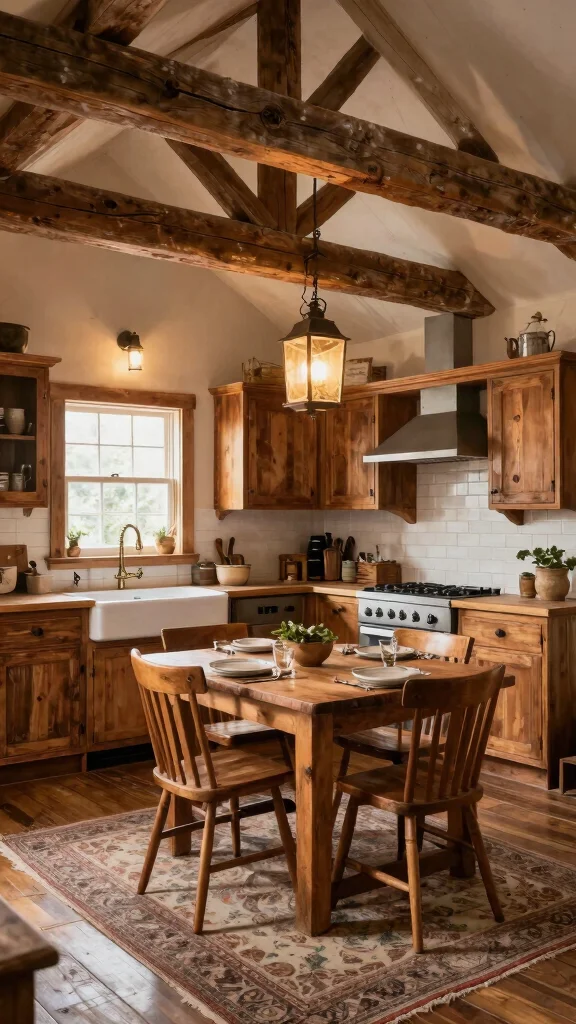
A rustic charm kitchen in your attic can evoke a warm, inviting atmosphere that feels like home. Highlight the slanted ceilings with exposed wooden beams and barn-style accents that infuse personality into the space. This style beautifully blends vintage elements with modern touches, creating a cozy yet stylish cook space.
To enhance this rustic appeal, choose warm woods for cabinetry and flooring. You can also find affordable vintage pieces at thrift stores or flea markets to add character. Incorporating soft, warm lighting will further enhance the inviting ambiance, making it a perfect spot for family gatherings.
Consider these design elements for a rustic feel:
– Choose warm woods for cabinetry and flooring.
– Incorporate antique accents like a farmhouse sink.
– Use warm lighting to create a cozy atmosphere.
This approach celebrates the charm of older spaces while providing a welcoming environment for cooking and family time.
Fun fact: exposed beams boost coziness by up to 20% in attic kitchen ideas slanted ceiling spaces. Pair warm woods with barn-style accents for instant rustic charm; then hunt thrift stores for vintage pieces to add character without breaking the bank.
Recommended Products
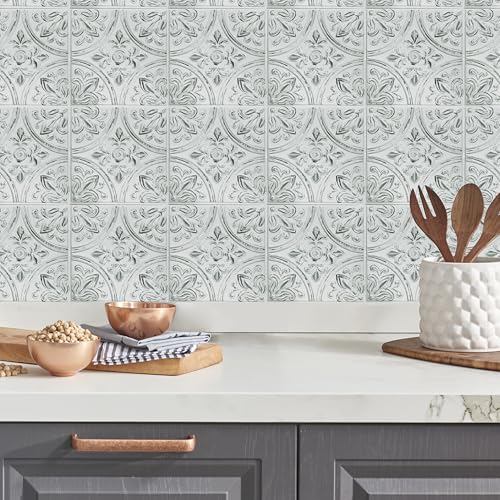
TIN TILE BACKSPLASH - A White colorway; highlights the Tin Tile Backsplash design.

【Size & Material】17.71 In x 118 In. Authentic white wood wallpaper covers an area of 14.5 square feet. Made of PVC material, quality upgraded. Multi-volumes can be perfectly stitched without the difference

Easy DIY, Just Peel & stick, cut with tin snip, utility knives or hand saws, saving large amount on labor
3. Open Concept Layout
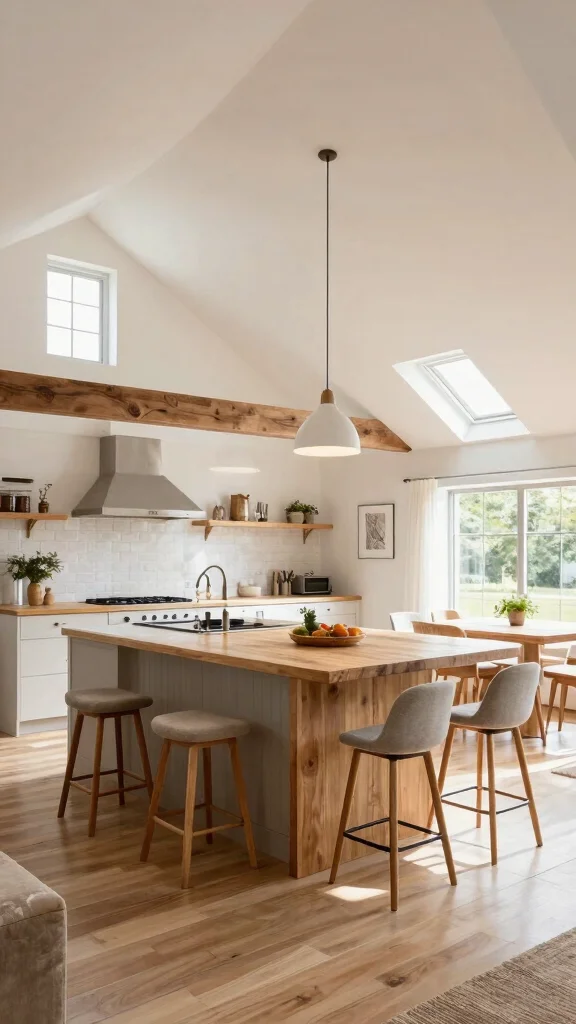
Transform your attic kitchen with an open concept layout that maximizes the use of space while maintaining a sense of flow. This design allows for easy transitions between cooking, dining, and socializing, ensuring that every inch is utilized effectively. With this setup, your kitchen can feel expansive rather than cramped under slanted ceilings.
To implement this layout, consider adding an island or peninsula to separate different areas without closing them off. Keep your furnishings minimal and functional to maintain an uncluttered look. Multi-functional furniture, like an island with built-in storage, can enhance practicality while boosting your space’s usability.
Incorporate these features to achieve an open layout:
– Use an island or peninsula for natural space division.
– Keep furniture minimal for an uncluttered appearance.
– Utilize multi-functional furniture for added efficiency.
This layout promotes interaction and enhances airflow, making your kitchen a welcoming and vibrant space.
Open Concept Layout transforms attic kitchen ideas slanted ceiling into airy, connected spaces. Add an island or peninsula to delineate zones without walls, keeping every inch practical and inviting. With this approach, your small space feels expansive, functional, and ready for everyday social cooking.
Recommended Products

[Widely Used]- This industrial design kitchen floating shelves is constructed of heavy duty vintage pipe & chunky wood boards, which will be an attractive decoration for modern & retro home style. Suitable for living room, bathroom, bedroom, kitchen, coffee bar, wine bar, toilet, laundry room, garage & farmhouse.

[5 Tier Wall Shelf Unit] Lack wall shelf unit (Shelf Size: W 11.8" x D 8") is perfect for creating additional storage without taking up floor space. They can be installed at various heights, allowing you to customize your wall shelving unit setup according to your needs. This vertical floating shelf is ideal for storing books, plants or personal items like pictures, photo albums, collectibles etc.

PREMIUM MATERIALS: Made from strength steel tube and taking the form of ''spider web'', total static max load weight is 600lbs, stable and sturdy
4. Creative Color Blocks
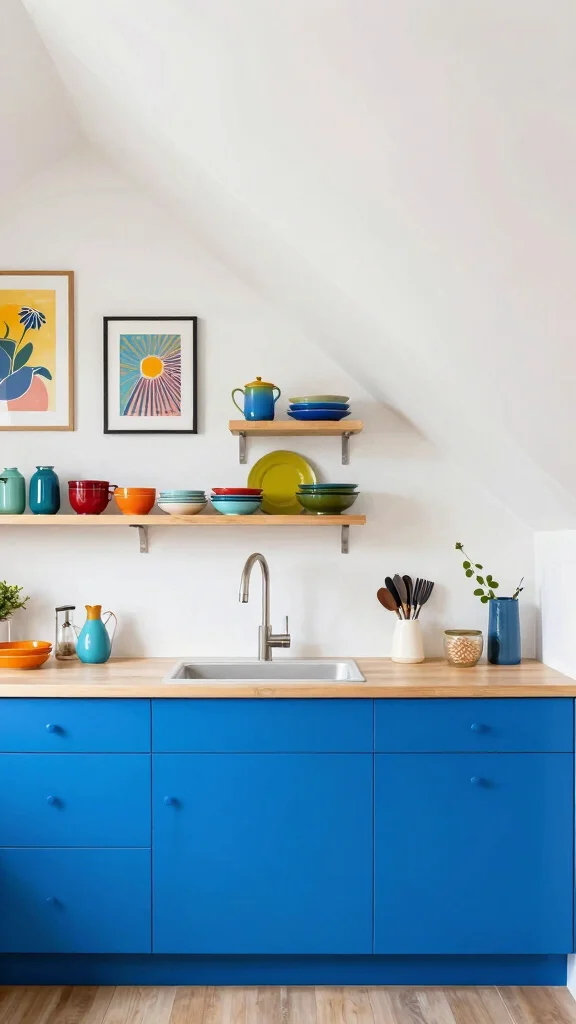
If you’re feeling adventurous, color blocking can infuse your attic kitchen with energy and personality. This playful design approach allows you to use contrasting colors on cabinets, walls, and accessories, creating a lively and dynamic visual experience. Slanted ceilings can become a canvas for vibrant palettes that brighten the space.
To implement color blocking effectively, choose two or three complementary colors that reflect your style. You can paint lower cabinets one color and upper cabinets another to create a striking contrast. Accessories, like colorful dishware or artwork, can tie the colors together for a cohesive look.
Consider these tips for a bold color-blocked kitchen:
– Select two or three complementary colors for a vibrant palette.
– Paint lower cabinets one color and upper cabinets another.
– Use accessories to reinforce the color theme.
This fun approach not only showcases your style but also transforms your kitchen into a cheerful and inviting space.
Fun fact: In attic kitchen ideas slanted ceiling projects, color blocking can visually expand the space by up to 20%. Use two bold cabinet colors with a brighter wall shade to create energy without sacrificing height.
Recommended Products

Versatile Appearance: Elevate your space with this rolling kitchen island from the SIREN Collection, showcasing framed recessed doors and smooth round knobs for a refined touch. Pair it with matching furniture for a coordinated style
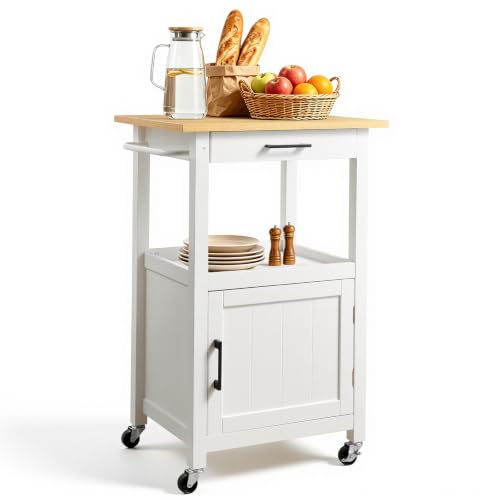
Ample Storage: The kitchen island provides large storage space with its drawers, cabinets, and racks, making it easy to store utensils, cookware, towels, cutlery, and kitchen appliances. As you begin cooking, you'll find everything is within reach

Large Storage Options : with larger easy-glide drawers and door cabinet for storing utensils and dinnerware. feature three tiers open shelf on the side
5. Minimalist Design
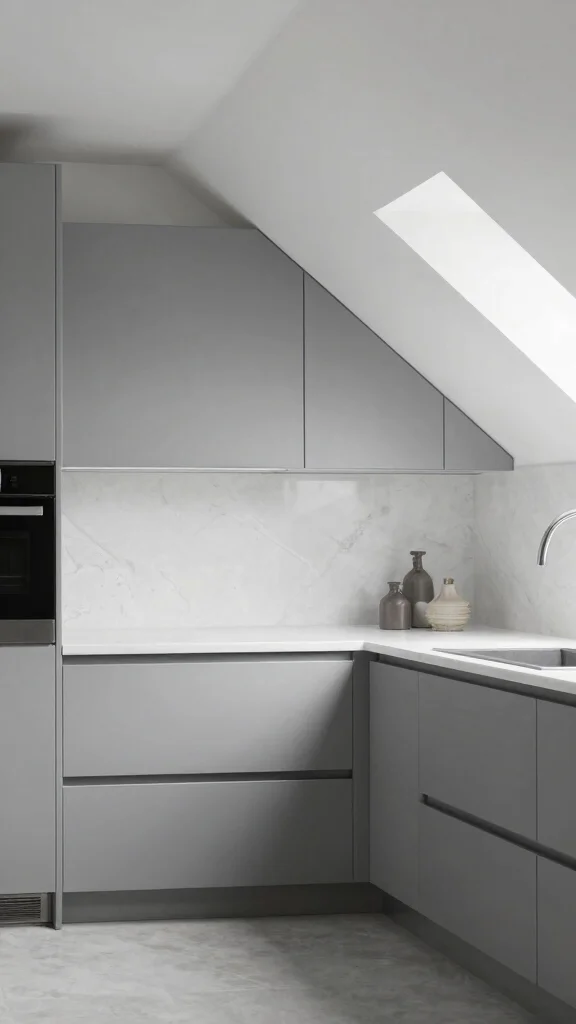
For a clean, sleek look, a minimalist design is perfect for your attic kitchen. The simplicity of this style complements slanted ceilings beautifully, focusing on functionality without clutter. Minimalism embodies the ‘less is more’ philosophy by integrating only essential elements for a streamlined aesthetic.
To achieve a minimalist design, select high-quality materials like stainless steel for appliances and quartz for countertops. Opt for flat-front cabinetry in a monochromatic color scheme to maintain a cohesive appearance. Limit decorative items to a few carefully chosen pieces that resonate with your personal style.
Embrace these minimalist principles:
– Use high-quality materials for countertops and appliances.
– Keep cabinetry streamlined with flat-front designs.
– Limit decorative items to a few key pieces.
This approach fosters a serene cooking environment, allowing your creativity to shine without distractions.
6. Bright and Airy with Skylights
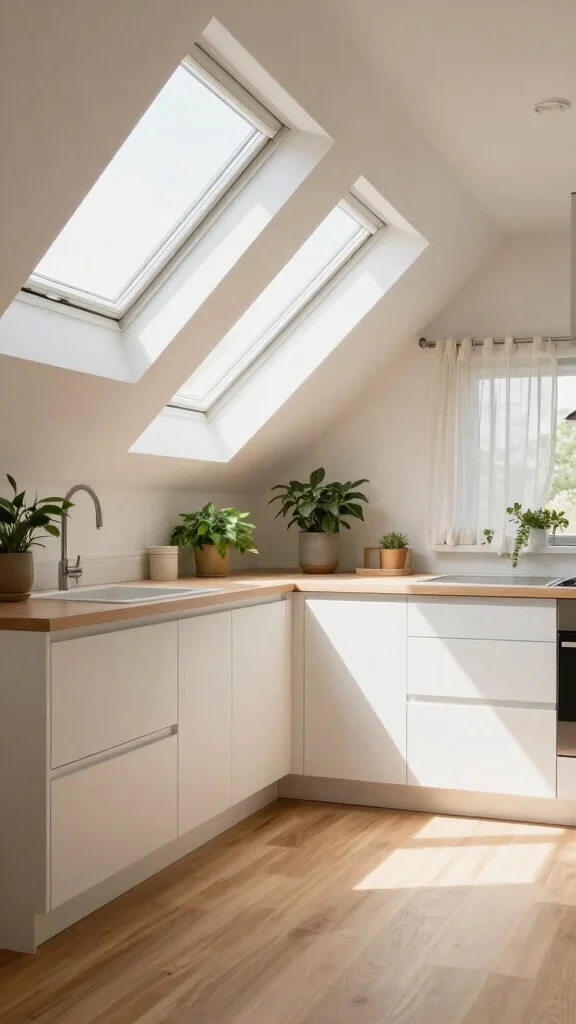
Bring natural light into your attic kitchen by incorporating skylights. This design choice not only enhances the spacious feel of the room but also creates a bright, cheerful cooking environment. Skylights are especially beneficial in slanted ceilings, which can sometimes feel dark and confined.
To maximize light exposure, consider installing multiple skylights. Choose light and airy colors for cabinetry and decor to complement the brightness that comes through. Sheer window treatments can also allow light in while providing some privacy.
Enhance your kitchen’s brightness with these elements:
– Install multiple skylights for maximum light exposure.
– Choose light, airy colors for cabinetry and decor.
– Consider sheer window treatments for privacy.
The result is a warm, welcoming kitchen that feels open and inviting, perfect for cooking and gathering.
Recommended Products

Ample Quantity: the product package includes six black plastic pallets, each measuring 11.8 x 23.6 x 1.18 inches; This quantity offers ample opportunities for various applications in different storage scenarios; With dimensions that fit a diverse range of settings, these pallets can seamlessly integrate into most storage and organization systems; Their adaptability makes them convenient choices for optimizing your storage space across many environments

Fresher than fresh. You pay for prime quality ground and whole beans, so it makes sense to take care of them. This premium stainless steel container looks the bees knees and loves your tea and coffee like a Kardashian loves a selfie

MORE STORAGE, LESS CLUTTER: Designed with your storage needs in mind, our ceiling mounted overhead garage racks help you get organized by storing your things off the floor and out of the way saving valuable space in your garage. This hanging storage system saves space by allowing you to utilize previously unused space providing you more storage and better organization
Bright and Airy with Skylights
Editor’s Choice




You might also like
Dimensions & Size Guide
Standard Sizes & Measurements:
When planning your attic kitchen with slanted ceilings, understanding the dimensions is crucial for functionality and aesthetics. Here are some standard sizes to keep in mind:
– Countertop Height: The standard countertop height is 36 inches. If your ceiling slopes, ensure the highest point accommodates this height for comfortable cooking.
– Cabinet Depth: Most kitchen cabinets are 24 inches deep. If space is tight, consider shallower cabinets of 12-18 inches to prevent overcrowding and maintain flow.
– Appliance Sizes: Standard appliances, like dishwashers and ovens, are usually around 24 inches wide. Ensure you leave at least 12 inches of clearance for opening doors without obstruction.
– Space Between Counters: Aim for at least 36 inches of aisle space between counters for easy movement. If you’re adding an island, make sure there’s at least 42 inches around it for comfort.
– Headroom: Ideally, you should have at least 84 inches of headroom. If the ceiling slopes significantly, prioritize the area where the kitchen activities will occur.
Quick Reference Table:
Here’s a handy table to help you quickly reference sizes and their uses:
Size/Dimension – Best for: [use case], Minimum space needed: [measurement]
– 36 inches (Countertop Height) – Ideal for cooking and prep, Minimum space needed: 84 inches headroom
– 24 inches (Cabinet Depth) – Provides ample storage, Minimum space needed: 24 inches depth
– 12-18 inches (Shallow Cabinets) – Great for tight spaces, Minimum space needed: 12 inches depth
– 36 inches (Aisle Space) – Facilitates easy movement, Minimum space needed: 36 inches
– 24 inches (Appliance Width) – Fits standard appliances, Minimum space needed: 12 inches clearance
Space Planning Tips:
Planning an attic kitchen can be tricky. Here are some tips to help you out:
1. Measure Everything: Before committing to designs, measure your space. Use a tape measure to get the dimensions accurately, especially where the ceiling slopes.
2. Consider the Flow: Visualize how you move around your kitchen. Ensure there’s a clear path between the stove, sink, and refrigerator. A good flow saves time and enhances cooking enjoyment.
3. Avoid Overcrowding: Don’t cram too many elements into your attic kitchen. Stick to what you need—this keeps the space open and functional. Too many items can make the kitchen feel cramped.
4. Use Vertical Space: Maximize storage by going vertical. Install shelves or cabinets that reach the ceiling. This approach is especially useful in small spaces where floor area is limited.
5. Plan for Natural Light: If possible, work with any existing windows or skylights. Natural light makes small spaces feel larger and more inviting. Position your work areas near windows for the best effect.
Pro Tip:
Always prioritize your headroom. In a slanted ceiling kitchen, ensure the most-used areas have adequate space for movement. This simple step can make a significant difference in comfort and usability! 🚀
Recommended Products

✿ 1.4 Times Coverage Area: 10 sheets thickened self-adhesive tiles, 12" X 12" each (The small piece is 3.3" X 1.8"), which covers 40% more area than 10"x10" tile
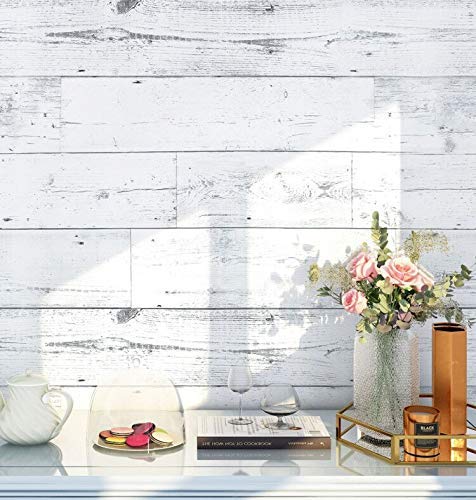
FEATURE: Quick and easy to install - Just peel and stick! No water, No paste, No mess! Textured material, matte finish, durable, washable, removable and repositionable. There have grids and measurements on the backing paper, you can easily measure and cut for your needed size. This shiplap peel and stick wallpaper can apply both vertially and horizontally. The material is thicker than normal contact paper, it can hide most of tiny imperfection on the walls without see throught problem.
7. Industrial Style
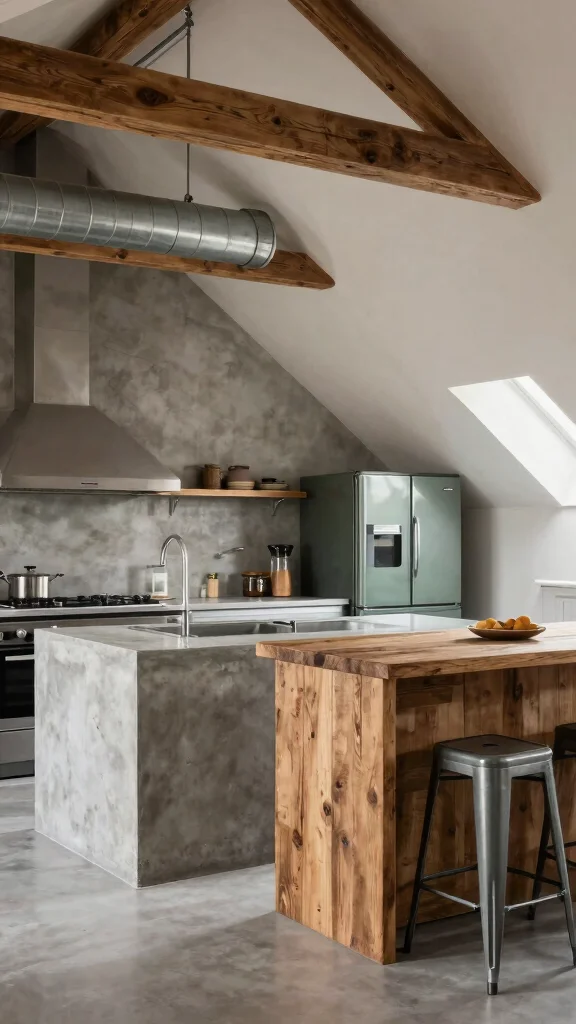
For a chic and edgy look, consider an industrial-style attic kitchen. This design leverages raw materials like metal, wood, and concrete, emphasizing the structural features of slanted ceilings. The result is a unique and creative cooking environment that stands out.
Incorporate metal fixtures and appliances to reinforce the industrial vibe. Pair concrete countertops with reclaimed wood for a striking contrast in textures. Keep your color palette neutral, using bold accents for furniture and decor to elevate the overall aesthetic.
Add these elements to capture the industrial style:
– Use metal fixtures and appliances for authenticity.
– Consider concrete countertops with reclaimed wood accents.
– Keep a neutral color palette with bold accents.
This approach not only adds character but also makes your kitchen feel like a creative, artistic space.
Recommended Products
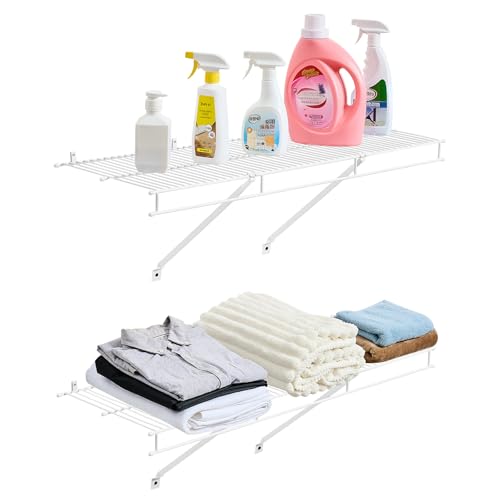
Dual-Shelf Set: This wire shelf kit can fit various closet and wall spaces, expanding storage without replacing original cabinets. It supports side-by-side and spliced installations, and the two-pack set meets different width and height needs

PLENTY OF STORAGE:This Kids Storage Cabinet Features a Bookshelf and 3 Cubbies for Display Books or Home DÉCor Piece. 2 Deep Market Bins are Great for Organizing Books, Toys, Blocks, Art Supplies. The Slanted Front Panel keeps Toys, Books, Crafts and More in Place after they're Tossed in. It has Plenty of Easy-to-Reach Space for Little hands while still Keeping everything Organized and Looking Tidy in Payroom.

Sorbus Corner Wall Shelf: This floating vertical wall shelf unit is ideal for showcasing your favorite books and keepsakes in any space. Featuring five square shelves and two clothing hooks, this storage organizer is designed to maximize space and elevate blank wall space.
8. Modern Farmhouse
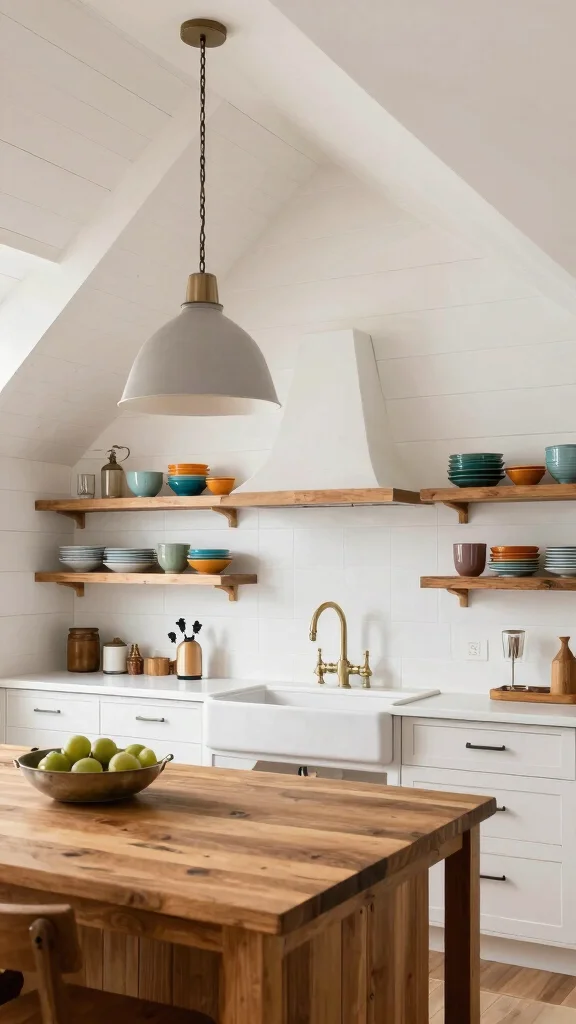
Infuse your attic with a modern farmhouse kitchen that blends traditional charm with contemporary elements. This style is perfect for creating a cozy yet stylish cook space, where slanted ceilings enhance the rustic vibe while maintaining a modern touch.
Utilize shiplap or tongue-and-groove paneling on the walls and ceilings to evoke a classic farmhouse feel. A large farmhouse sink and open shelving can provide a functional and accessible space for your favorite dishes. Choose light fixtures with an industrial twist to modernize the overall aesthetic.
Incorporate these features for a modern farmhouse look:
– Use shiplap or tongue-and-groove paneling for walls and ceilings.
– Choose a large farmhouse sink for functionality.
– Incorporate open shelving for easy access.
This design creates a warm, inviting atmosphere, perfect for family meals and gatherings.
Recommended Products
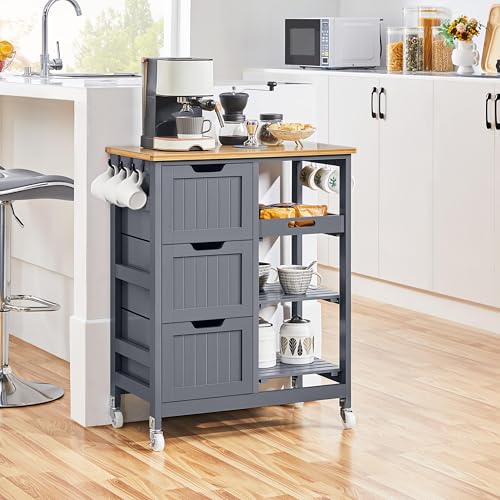
Made For Durability & Easy Maintenance: Constructed with solid wood and CARB P2-compliant MDF, this kitchen cart showcases a sturdy top and sturdy solid wood legs, ensuring a total weight capacity of 165 lb. The sleek powder-coated frame and varnished countertop enhance durability and make cleaning a breeze
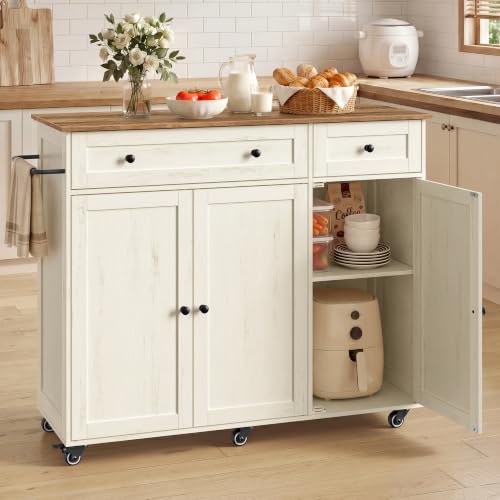
Versatile Appearance: Elevate your space with this rolling kitchen island from the SIREN Collection, showcasing framed recessed doors and smooth round knobs for a refined touch. Pair it with matching furniture for a coordinated style
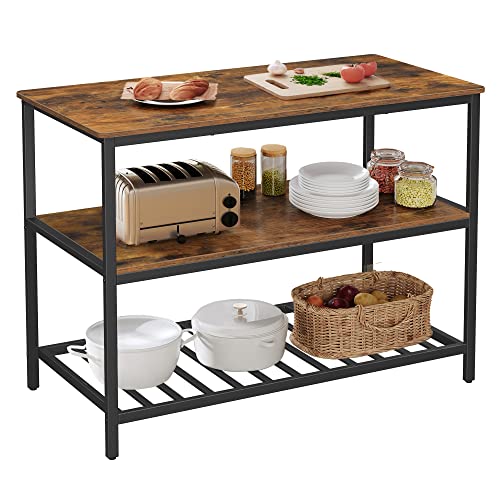
[Large Worktop] The 23.6”D x 47.2”W surface of this kitchen island allows you to prepare food while being spacious to keep a toaster or coffee machine close by. Large worktop for great convenience!
9. Eclectic Fusion
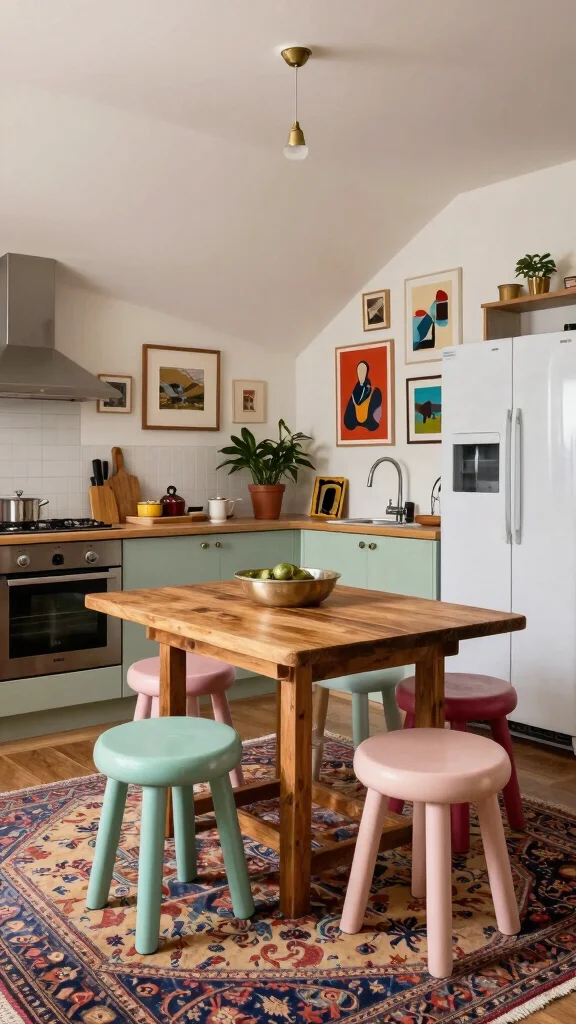
If you enjoy mixing styles, an eclectic fusion kitchen can beautifully reflect your personality. This design allows for creative freedom, combining elements from different eras and styles into a cohesive space. Slanted ceilings can highlight unique features, making your kitchen truly one-of-a-kind.
Combine vintage decor with modern appliances to create a balanced look. Incorporate a variety of materials and textures, such as wood, metal, and glass, for added interest. Bold patterns and colors in textiles, like rugs and curtains, can elevate the overall vibe.
Embrace these elements to achieve an eclectic fusion:
– Combine vintage decor with modern appliances.
– Incorporate a variety of materials and textures.
– Use bold patterns in textiles for flair.
This style celebrates individuality, making your kitchen a joyful space for cooking and gathering with loved ones.
Eclectic Fusion
Editor’s Choice


10. Nature-Inspired
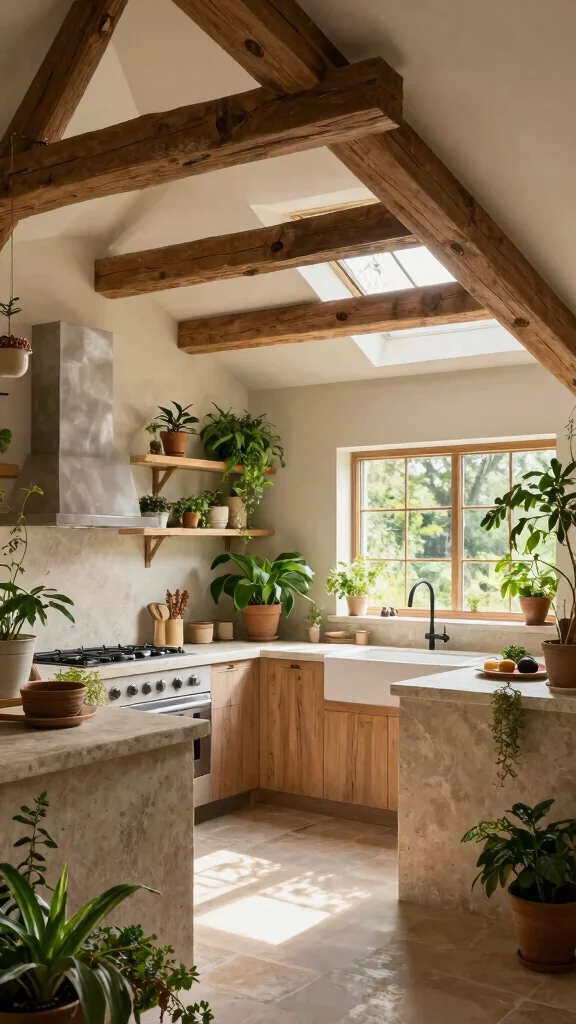
For nature lovers, a nature-inspired kitchen can bring tranquility to your attic space. This design focuses on earthy tones, organic materials, and greenery, enhancing the cozy feel beneath slanted ceilings. Connecting with nature can create a calming environment for cooking and gathering.
Use natural materials like wood and stone for cabinetry and countertops to evoke an organic vibe. Incorporate plenty of plants and herbs, either on countertops or hanging, to bring freshness indoors. A color palette inspired by nature—soft greens, browns, and creams—can tie the look together beautifully.
Integrate these elements for a nature-inspired kitchen:
– Use wood and stone for natural cabinetry and countertops.
– Incorporate plants and herbs for a fresh touch.
– Choose a nature-inspired color palette for a cohesive look.
This design creates a peaceful cooking environment, allowing you to feel connected to the outdoors.
Nature-Inspired
Editor’s Choice



11. Trendy Black and White
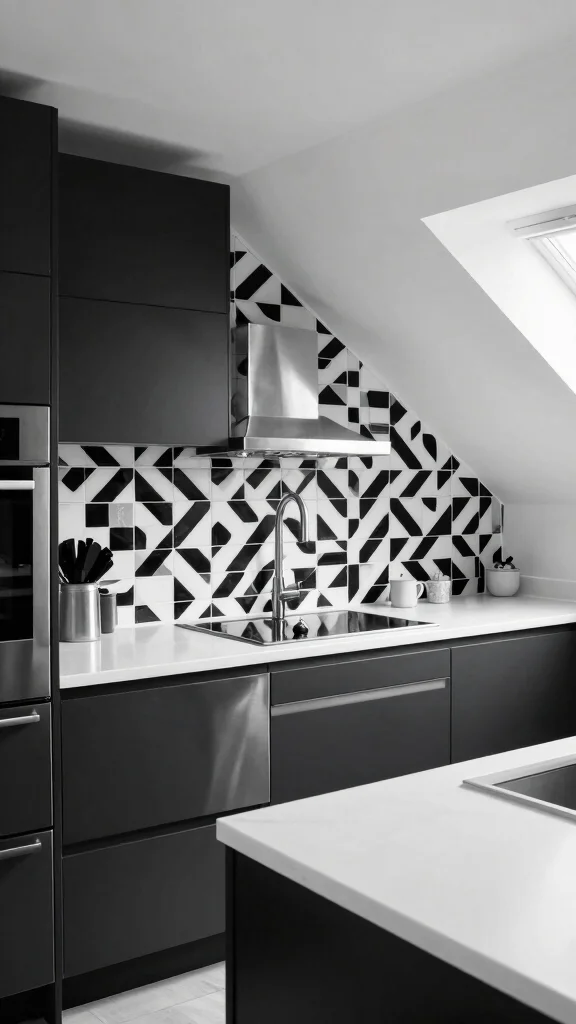
A black-and-white color scheme can create a striking and modern look in your attic kitchen. This classic combination allows for creative expression while maintaining a sophisticated aesthetic. With slanted ceilings, this design effectively balances light and dark elements for a visually appealing space.
Consider using black cabinetry paired with white countertops for a bold contrast. Black and white patterned tiles for the backsplash can make a statement and add visual interest. Keep decorative accessories minimal to highlight the powerful color scheme.
Implement these ideas for a trendy black-and-white kitchen:
– Use black cabinetry with white countertops for contrast.
– Incorporate black and white patterned tiles for the backsplash.
– Keep accessories minimal to accentuate the colors.
This classy approach not only looks sophisticated but also creates a practical space for cooking and entertaining.
Trendy Black and White
Editor’s Choice


12. Cozy Vintage Vibes
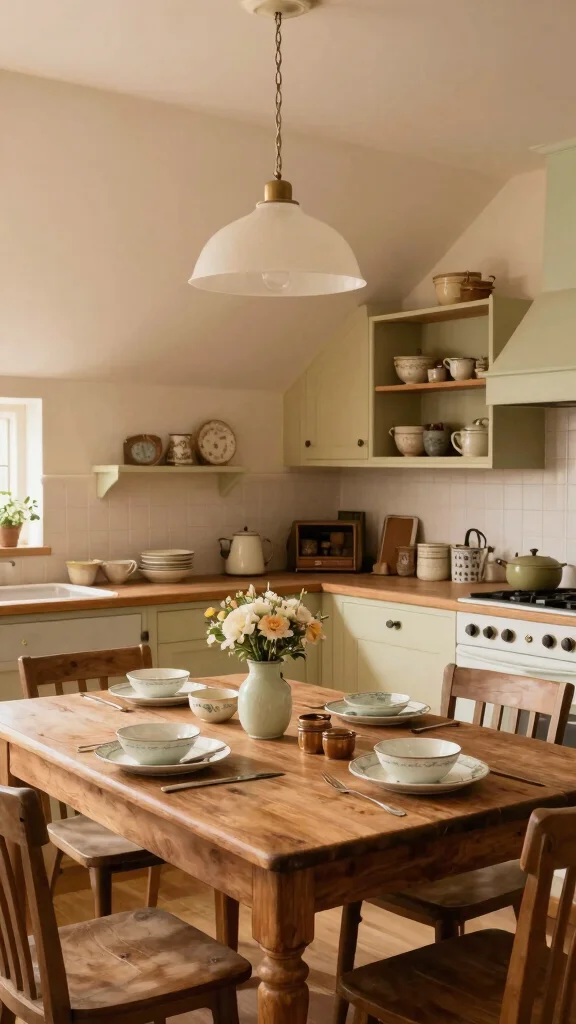
Embrace the nostalgia of a cozy vintage kitchen where every detail tells a story. This design makes slanted ceilings feel inviting and creates warmth and familiarity. Incorporating vintage elements allows for personalized touches that reflect your unique style.
Choose soft colors like muted pastels or warm tones to cultivate a welcoming atmosphere. Antique furniture, such as a well-loved wooden dining table or vintage cabinets, can add character and charm. Display cherished kitchenware or family heirlooms to make the space feel truly personal.
Incorporate these vintage elements for a cozy vibe:
– Use soft colors for a warm environment.
– Incorporate antique furniture for character.
– Display cherished items for personalization.
This cozy vintage vibe makes your attic kitchen not just a place to cook, but a space filled with memories and warmth.
Cozy Vintage Vibes
Editor’s Choice




Conclusion
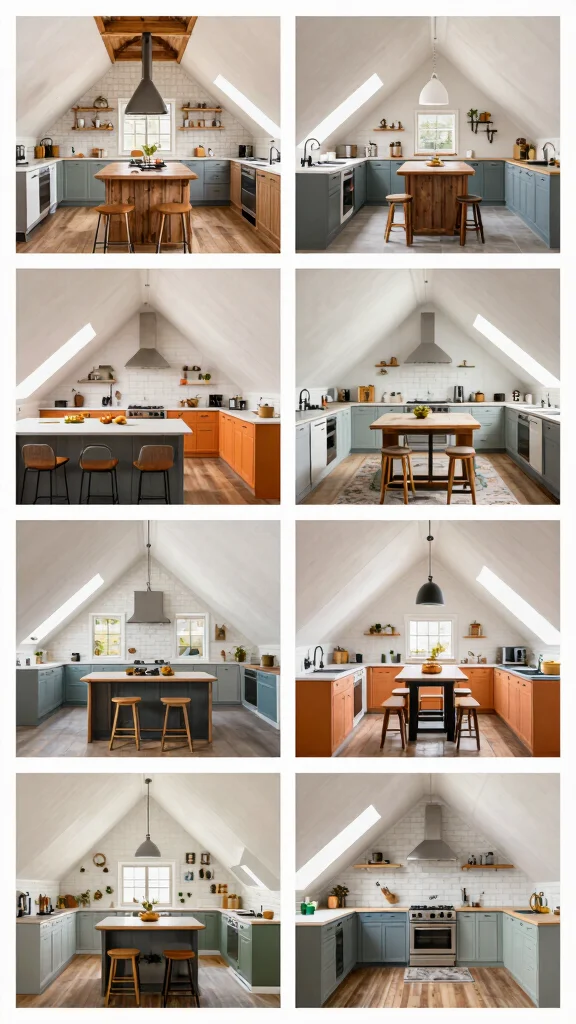
Transforming your attic kitchen to embrace its slanted ceilings can lead to a unique cooking space filled with charm and functionality. With these 12 captivating designs, you’ll find inspirations that resonate with your personal style and space constraints. Each idea celebrates the beauty of creativity and the potential of small spaces. So go ahead—turn those slanted ceilings into a stunning feature of your home!
Note: We aim to provide accurate product links, but some may occasionally expire or become unavailable. If this happens, please search directly on Amazon for the product or a suitable alternative.
This post contains Amazon affiliate links, meaning we may earn a small commission if you purchase through our links, at no extra cost to you.
Frequently Asked Questions
What are the best attic kitchen ideas with a slanted ceiling to create a unique cook space?
Embrace the slope as character rather than a limitation. For attic kitchen ideas slanted ceiling, opt for a low-profile cabinetry run along the highest wall, a compact galley layout, and a light, reflective color palette to brighten the room.
Add a skylight or tubular daylighting to bring in natural light, install open shelves for airiness, and choose integrated or slim appliances to maximize floor space. Use slanted ceiling decor accents that echo the angles and keep traffic flow smooth.
With thoughtful layout and finishes, your attic kitchen design becomes a functional, stylish centerpiece in a small space.
How can I maximize storage in a small space attic kitchen with a slanted ceiling?
Customize cabinetry to follow the slope, install wall-to-wall uppers, and add a pull-out pantry in the corner. Use vertical organizers, toe-kick drawers, and a multi-functional island with built-in storage. Light colors and glass-front doors help keep the space feeling open.
For creative attic renovations, consider open shelving for display and accessibility, plus hidden storage behind toe-kick drawers and under the stair if applicable.
Design with a small space kitchen mindset to deliver practical, stylish attic kitchen design outcomes.
What appliances work best in an attic kitchen with a slanted ceiling?
Choose compact or apartment-size appliances that fit the low ceilings and narrow layouts. A slim refrigerator, under-counter dishwasher, and a counter-depth range work well. Consider a cooktop with a downdraft vent or a recirculating hood if your ceiling is tight. Use built-in or panel-ready appliances to maintain a seamless attic kitchen design look.
Plan for ventilation and service access, and keep a clear workflow triangle to make the most of a small space kitchen.
Which lighting ideas are ideal for attics with slanted ceilings?
Layered lighting is essential: bring in daylight with skylights, then add recessed lights placed to avoid glare on slopes, under-cabinet LEDs for task lighting, and pendants positioned away from the slope. Use warm color temperatures to create coziness in a small attic kitchen.
Incorporate dimmers and smart controls to adapt to different activities, and consider reflective surfaces or light-colored finishes to maximize brightness, tying into slanted ceiling decor and creative attic renovations vibes.
How can I balance aesthetics and functionality in a creative attic renovations project?
Treat the slope as a design feature and choose durable, easy-clean materials in a cohesive color palette. Use creative attic renovations strategies like built-in seating with storage and a compact island that doubles as prep space. Optimize the layout to maintain a smooth flow and ensure the attic kitchen ideas slanted ceiling remain practical and comfortable.
Related Topics
attic kitchen ideas
slanted ceiling decor
small space kitchen
unique kitchen designs
creative attic renovations
modern decor
DIY attic makeover
functional design
space-saving solutions
rustic style
easy renovations
kitchen inspiration